

Exhibit Review: “Witnessing Humanity: The Art of John Wilson” The Met Museum
On a rainy Saturday a week into the new year I decided to travel to New York City to see some must-view exhibitions that caught my eye. Who would have imagined that a letter inviting me to become a member, showcasing all the current exhibitions available at a discount, would inspire me to journey all the way to New York? Yet, here I was amidst the light rain trying to catch the show. When I finally arrived at the Met Museum just around 5pm, thankfully the museum was open late during this day, I tread through the sea of people to make it to the only show that mattered to me. After walking through the swarms of bodies I started to see a row of sketches of Black bodies in all forms on the wall and knew I was in the right space.
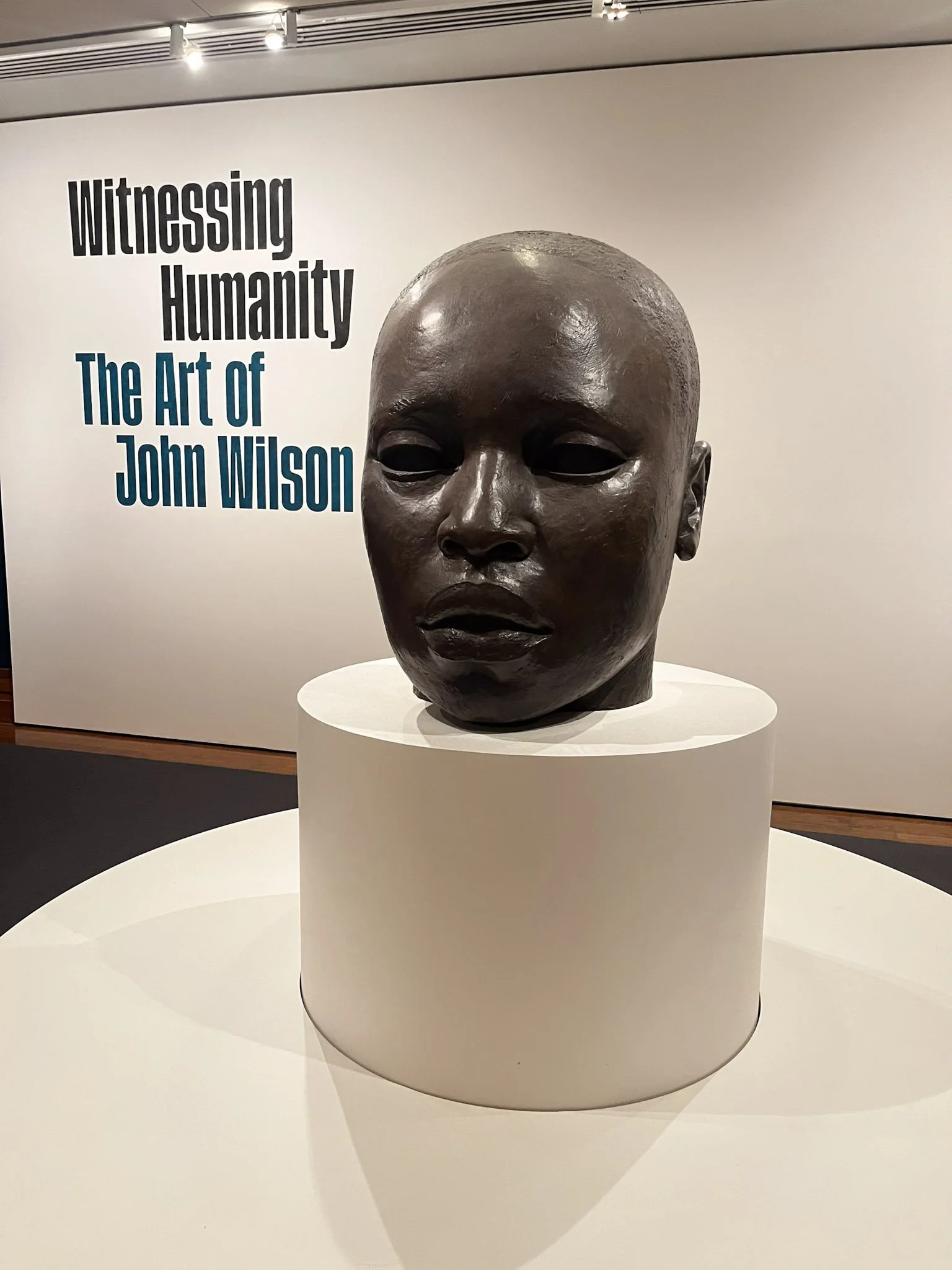
John Wilson.
‘
Eternal Presence’. 1985. Bronze maquette.
40" x 30" 37”
The Metropolitan Museum, NYC
The Witnessing Humanity: The Art of John Wilson is an exhibition about seeing African- Americans in a light that wasn’t us in pain, sorrow or sadness but to show us in a positive light. According to John Wilson himself, this was a response to seeing no positive images of Black people in museums while he was studying art. Wilson even stated,” the implication was that Black people were not capable of being beautiful people and true and precious”. The reality is that we're all capable of being beautiful and precious which was a statement Wilson made with his work
While most of the work featured stunning oil paintings and sketches of different mediums such as charcoal and lithium crayon, it also featured sculptures as well showcasing stories about life in Black families and loving relationships between fathers and sons. Through his work, you can tell Wilson had a message, one of radical justice which he sought after by changing the view of how Black people are perceived through his art. The sketches had a texture made from etchings with smooth edges showing every detail of the clothing, hair and facial features of the people Wilson drew.
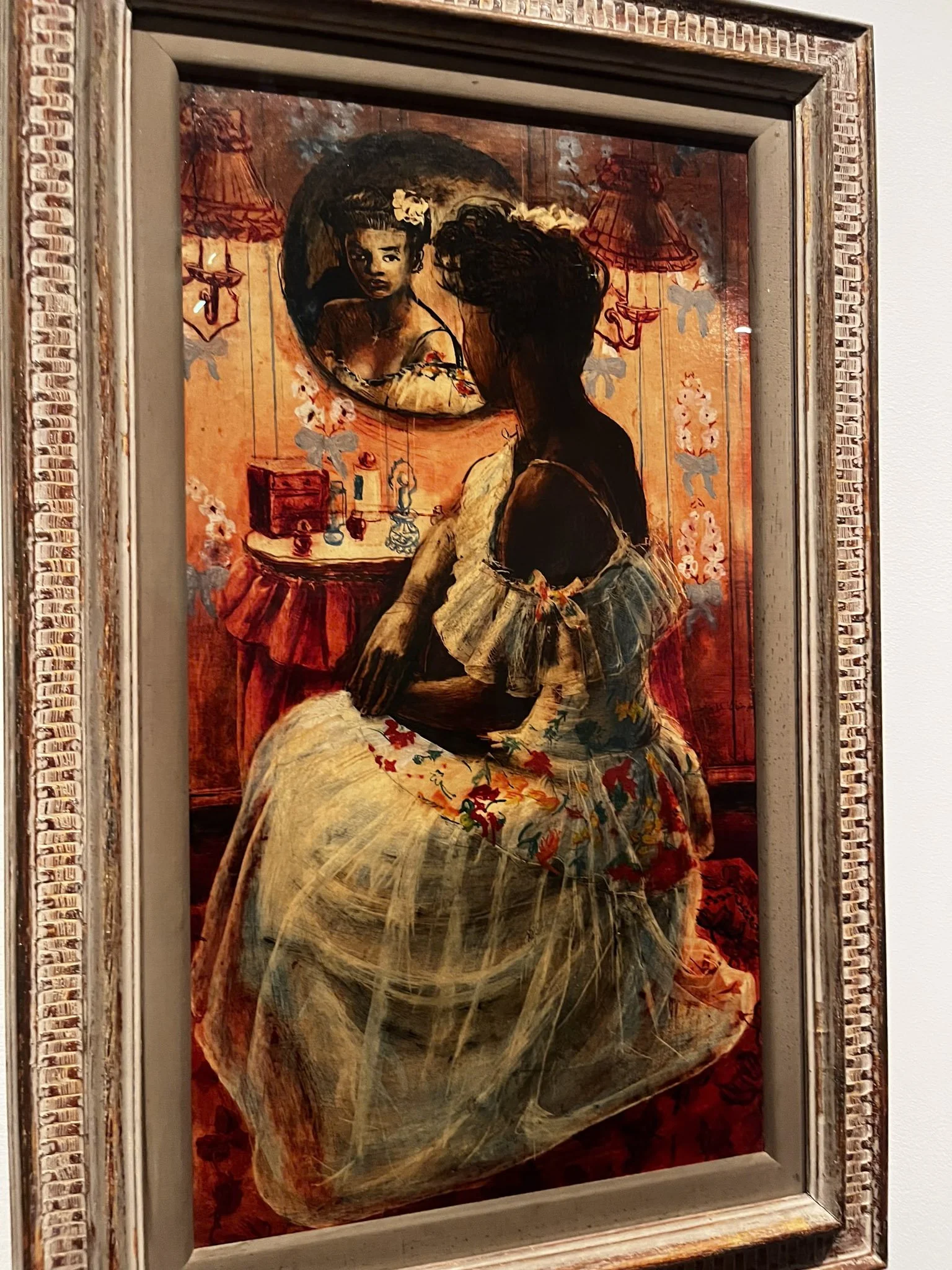
The Dressing Table, 1945
“I loved in a world in which only the public images of Blacks were stereotypical, dehumanized caricatures. These were the only images that I saw of Blacks in newspapers and films and all public media of that time” - John Wilson
Wilson also played a lot with tones using mostly blacks, whites and greys. Most of the paintings were in muted colors with lots of details in the clothing. Something else I noticed was there was not much focus on the background but instead of the figure itself, as if Wilson wanted you to only notice the figure in front of you and not be distracted by anything else. Even within his self-portraits, there was always a point of view where he was looking at the audience. Maybe for connection or most importantly to be humanized.
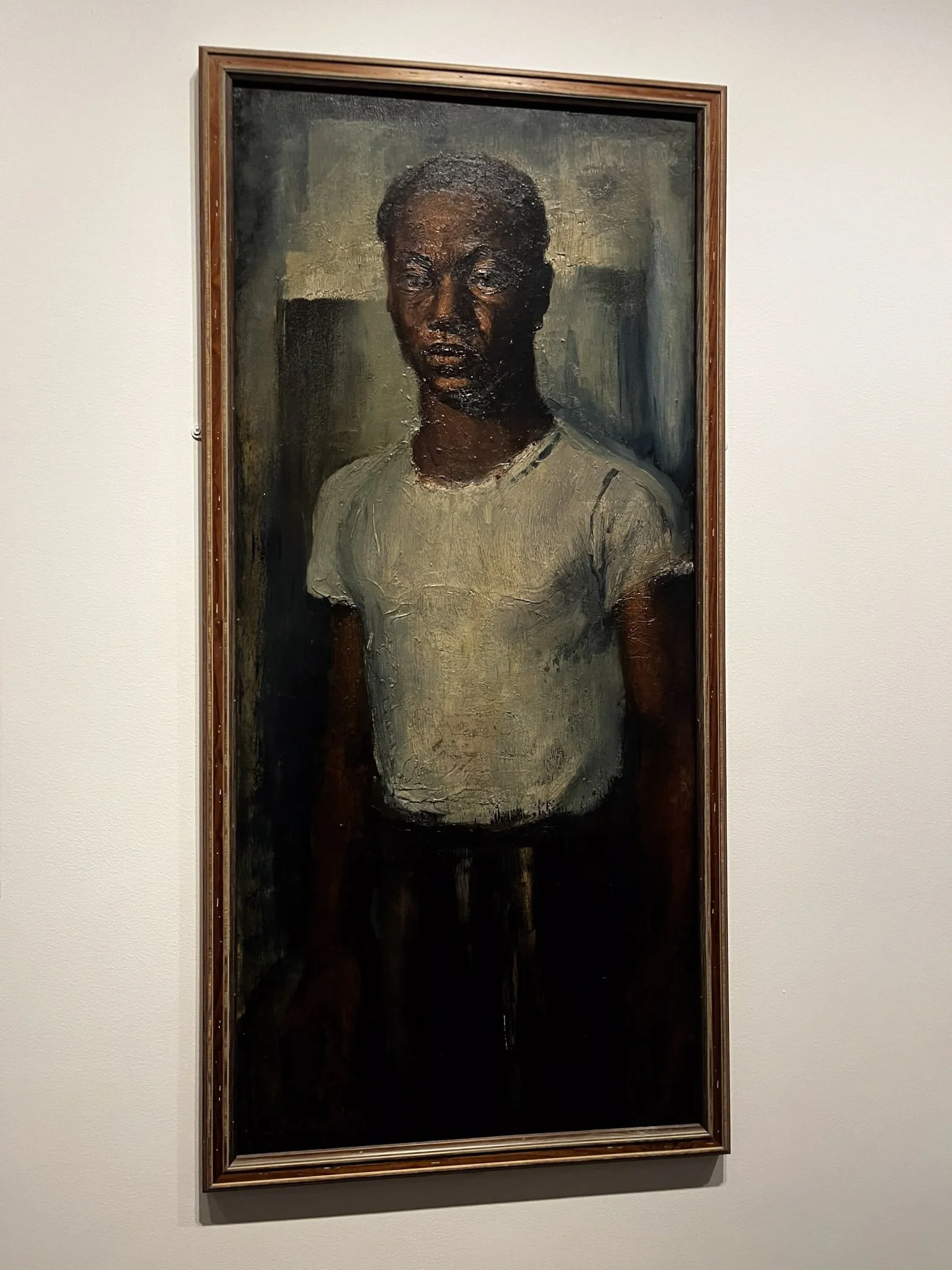
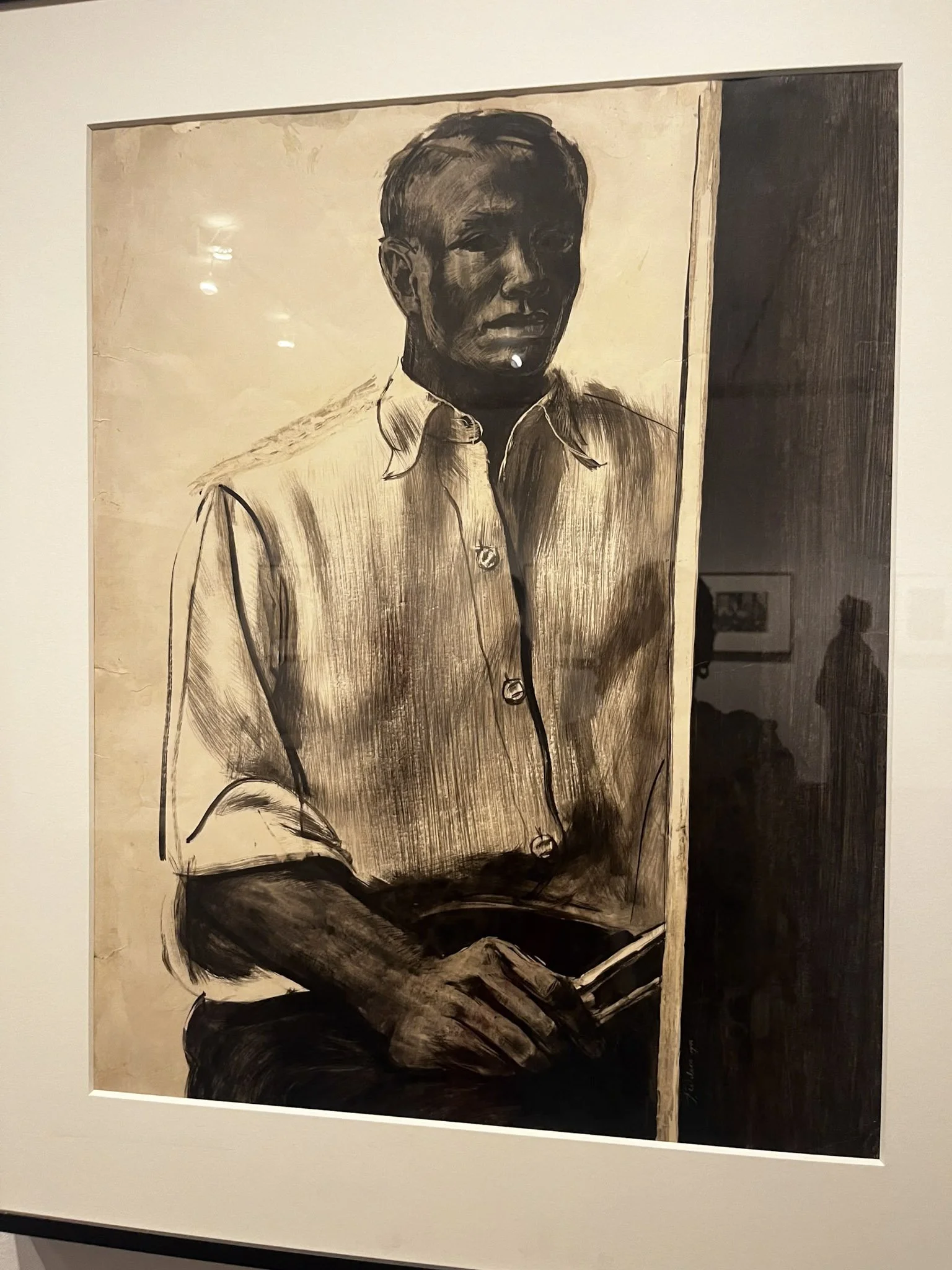
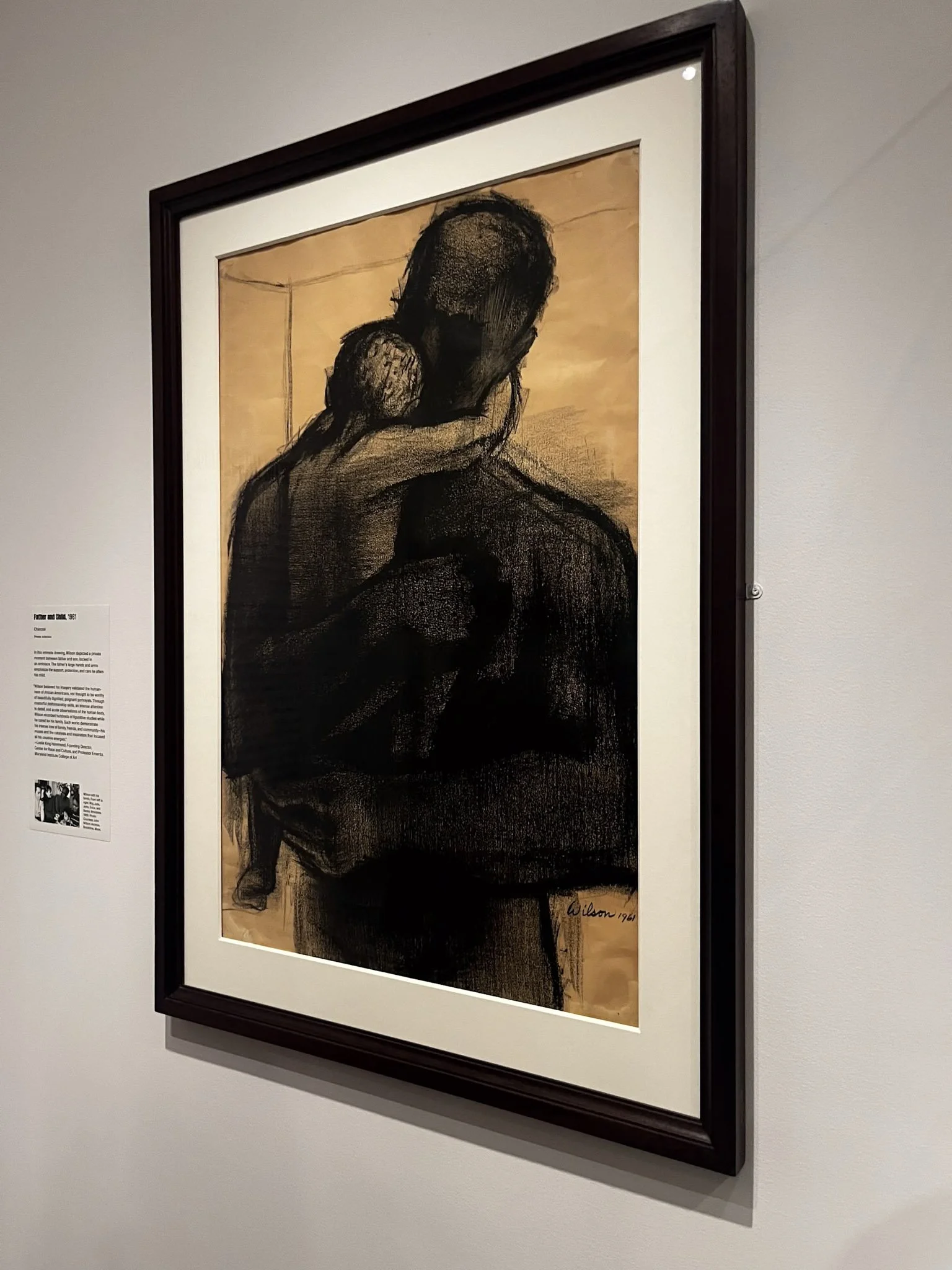
Images from Witnessing Humanity: The Art of John WilsonWhat intrigued me the most about the exhibition was not just how the art was made but what it truly was about. It was the beauty in the mundane of everyday life and how Black people were among that beauty. Each scene of Wilson’s work showed Black Americans in their neighborhood, at their jobs, with their families, just living. While there were scenes of hardships Black Americans had and still have to deal with in this country, the full viewpoint of the exhibition was to be seen clearly. Overall, Witnessing Humanity: The Art of John Wilson, made Black Americans human again. It made us mothers, daughters, fathers, sons and friends. Wilson’s work took back the power of how we are seen and brought back the beauty in us that is constantly trying to be erased and it was a beautiful thing to witness.
Be sure to see Witnessing Humanity: The Art of John Wilsonon view through February 8th at the Metropolitan Museum of Art
