Exhibit Review: FADE at Studio Museum in Harlem
On Friday, May 1st, the Studio Museum in Harlem opened their newest exhibition in the F Series: FADE — featuring 17 emerging artists of Afro‑Latinx and African descent. The F Series began in 2001 with Freestyle, curated by Christine Y. Kim and Thelma Golden, and it’s been shaping the future of Black art ever since. From a pool of 150 artists, these 17 voices rose to the top, and their work fills the gallery today.
What was beautiful about this exhibition was the many manifestations and interpretations around fade or fading. Some imagery showcases the fading of traditions, family members or people in their lives while others had literal fading aspects in their work visually through materials. I really enjoyed the variety of mediums that were used to express the message behind the work. From tapestry, photography and everything in between, it showcased that Black art isn’t linear but has a vast connection to many art forms. I had the opportunity to speak to some of the artists about their work and the meaning they wanted to convey.
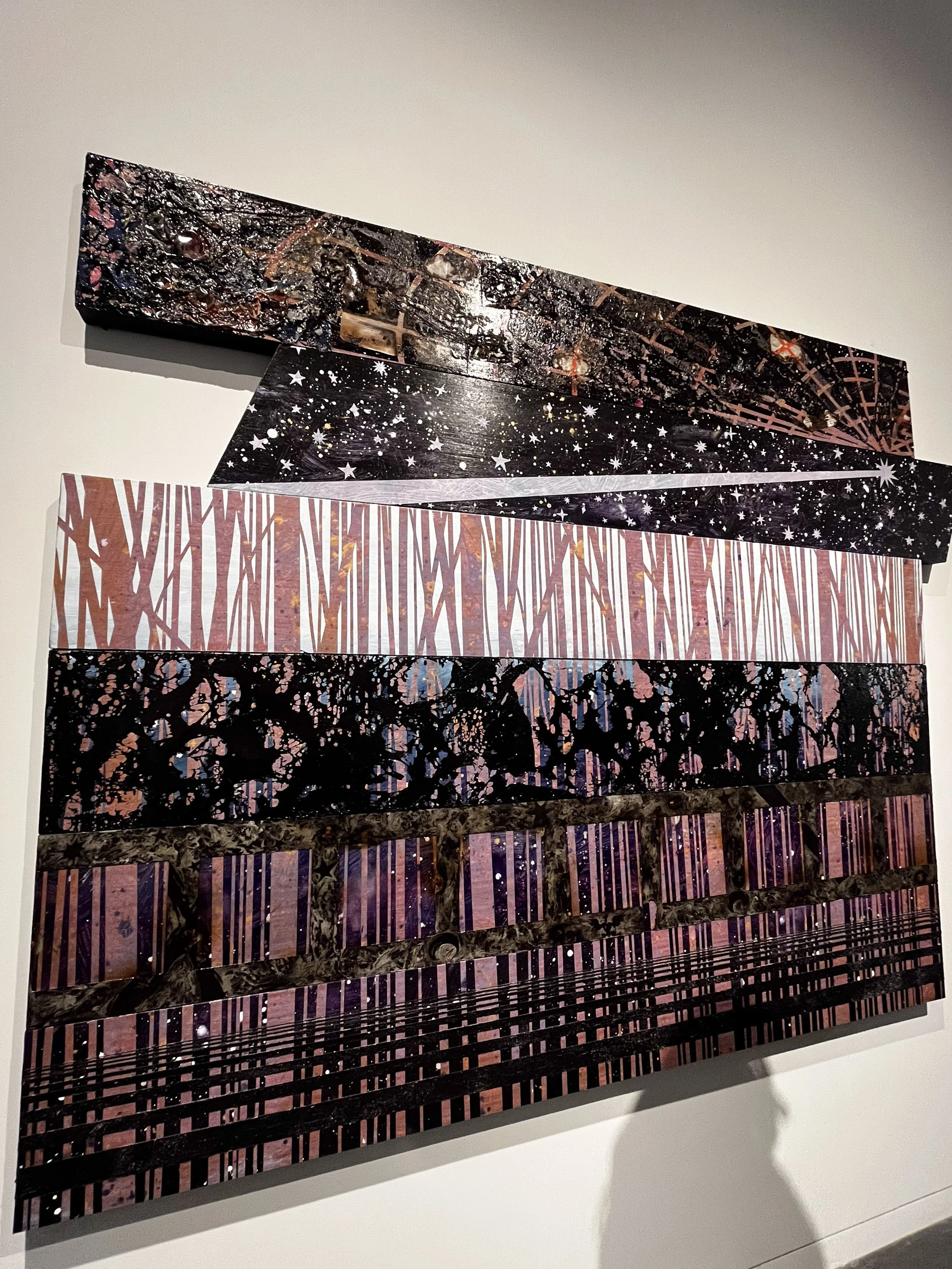
Cosmic Shift, 2026
Acrylic, concrete, diamond dust, fibered aluminum on burned tar paper, burned industrial plastic, burned papers, archival text and images on constructed wood panels
Speaking with Taj Posce, a Philadelphia native whose work combines painting, collaging and the use of pyrography, he discussed how each panel represented a different part of his art practice and the shifts his art style took over the years. The piece entitled, Cosmic Shift, was created using construction materials such as fibered aluminum on burned tar paper, burned industrial plastic and concrete. The top panel featured digital and printed archival materials from his work, which takes you through a journey of his artistic journey.
I also got to speak with artist Malaika Temba whose work Kazi Zetu, meaning ‘our labor’, represented everyday life in Tanzania. In the scene, you see a busy marketplace packed with trucks, vans and people shopping and working. What I loved about Temba work is the ability to create such a huge scene using woven cotton, acrylic paint and embroidery. The main thing I was able to speak with Temba about her piece was the representation of exploited labor and how labor is undervalued with the creation of the everyday things we use. A lot of her work is created to honor and reflect on the physical and emotional labor in non-western countries and yet is not commonly recognized. When viewing the piece at first glance you may assume that the people in this scene enjoy the work they are doing but at a closer glance it may not be able to enjoy what is needed to be done in their survival.
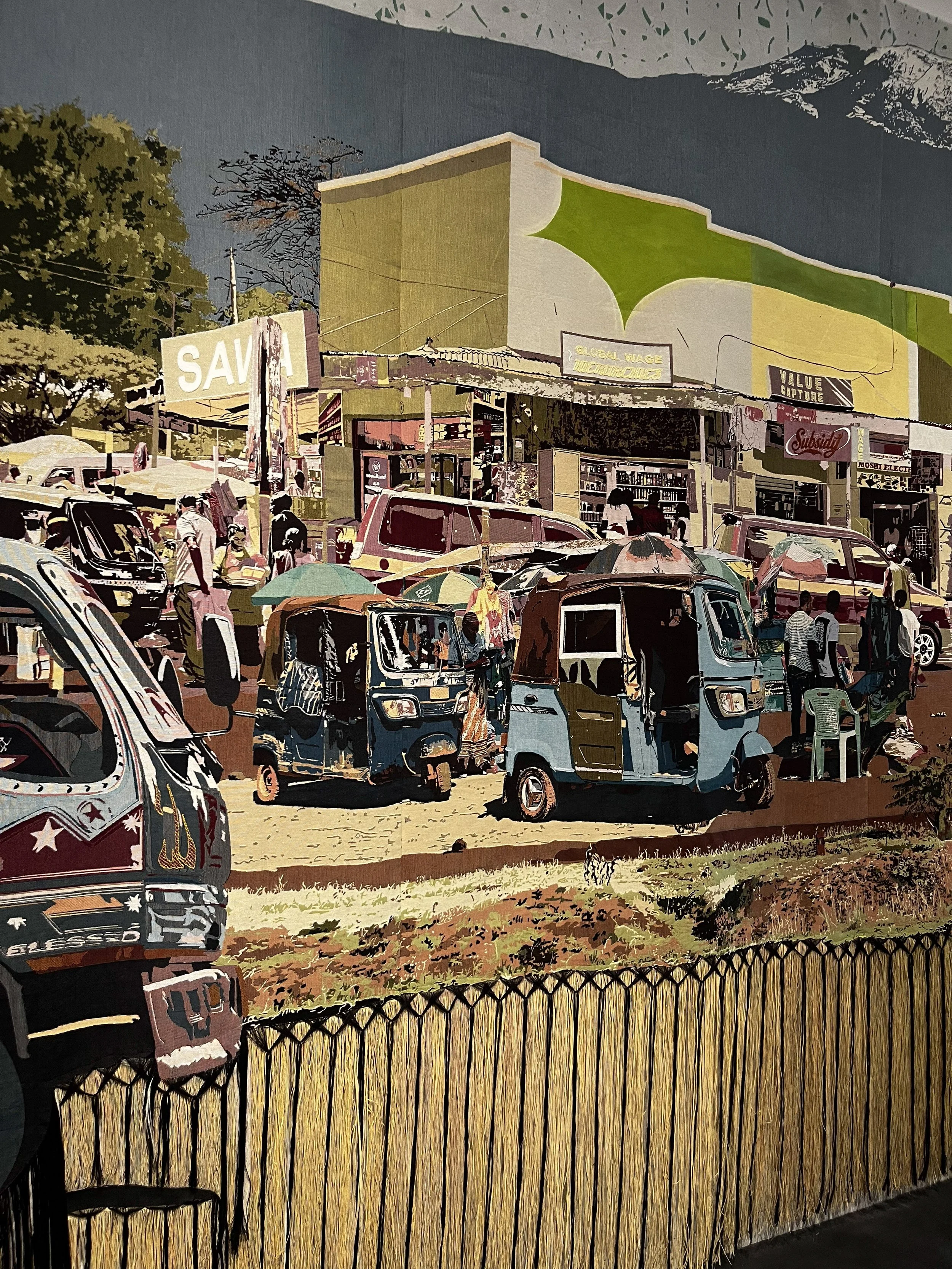
Kazi Zetu, 2026, Woven cotton, rayon, acrylic paint, and embroidery
FADE is the perfect representation of the future of Black and Afro-Latinx art, and it is commendable how Studio Museum in Harlem has such a strong connection to emerging artists and constantly giving them opportunities to share their world views through their artistry. This exhibition was not only inspiring to view but also empowering and should be replicated from other cultural institutions. If you are in the New York area, make the Studio Museum in Harlem a stop in your itinerary to view art from amazing emerging artists.
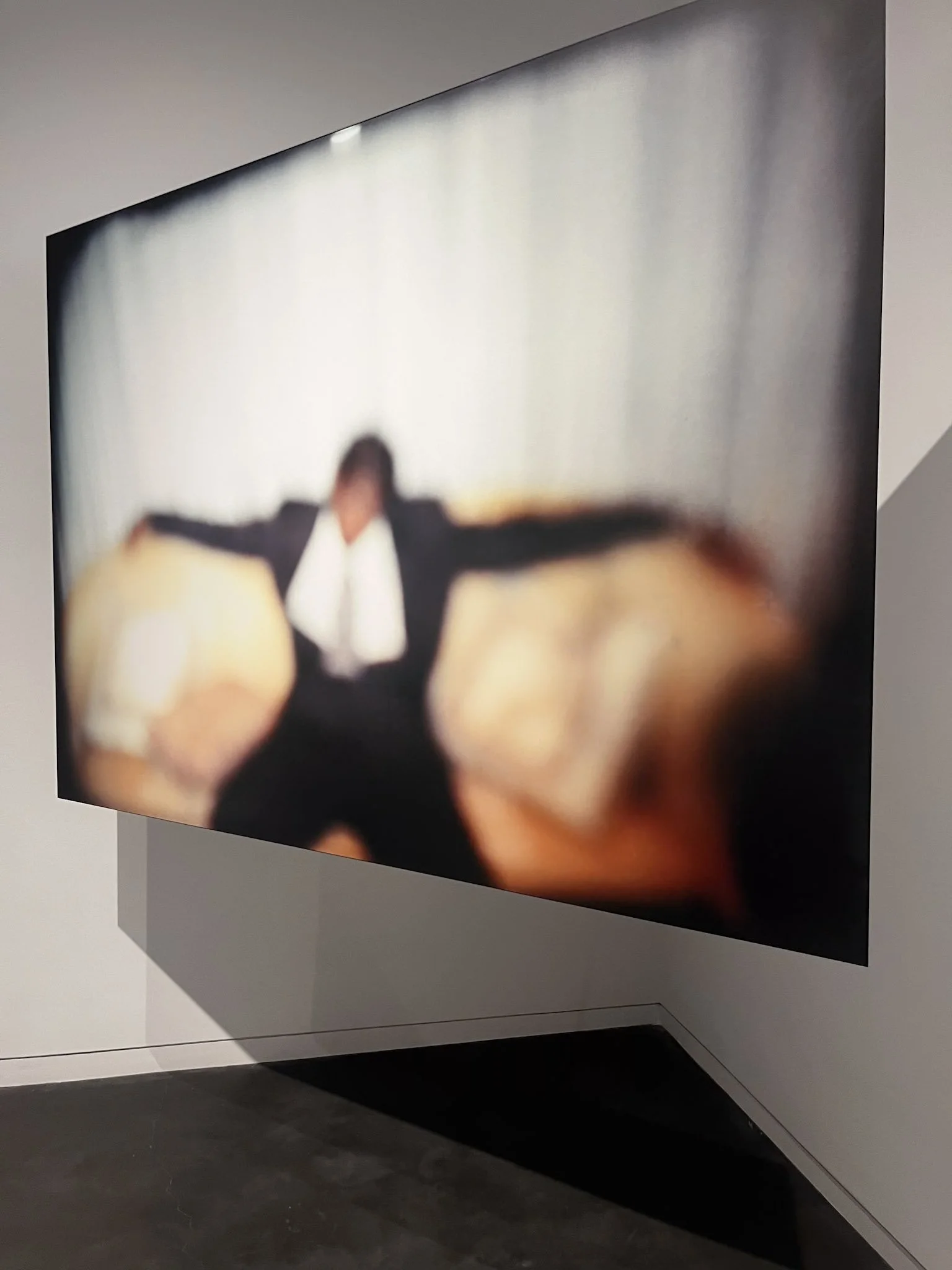
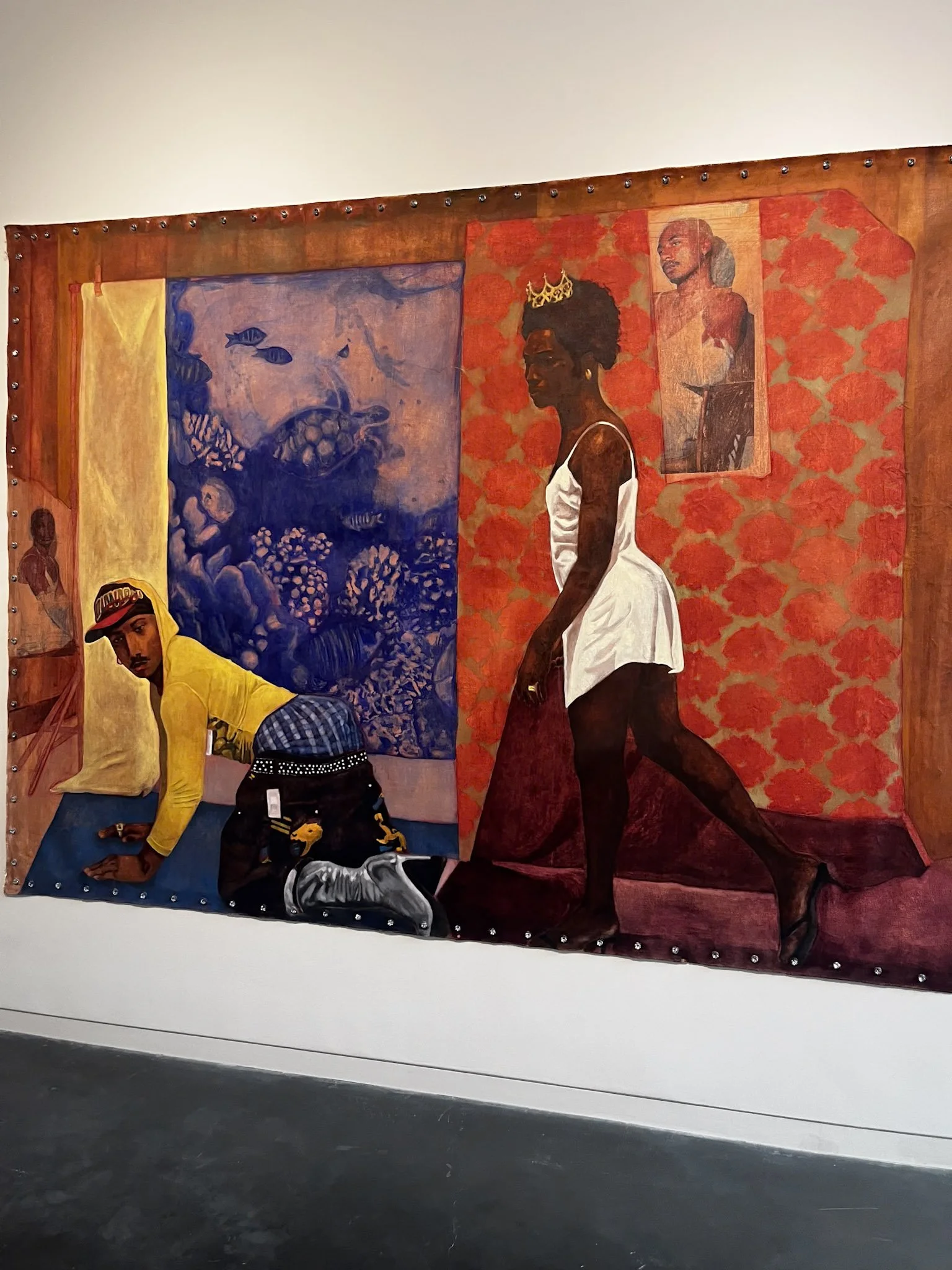
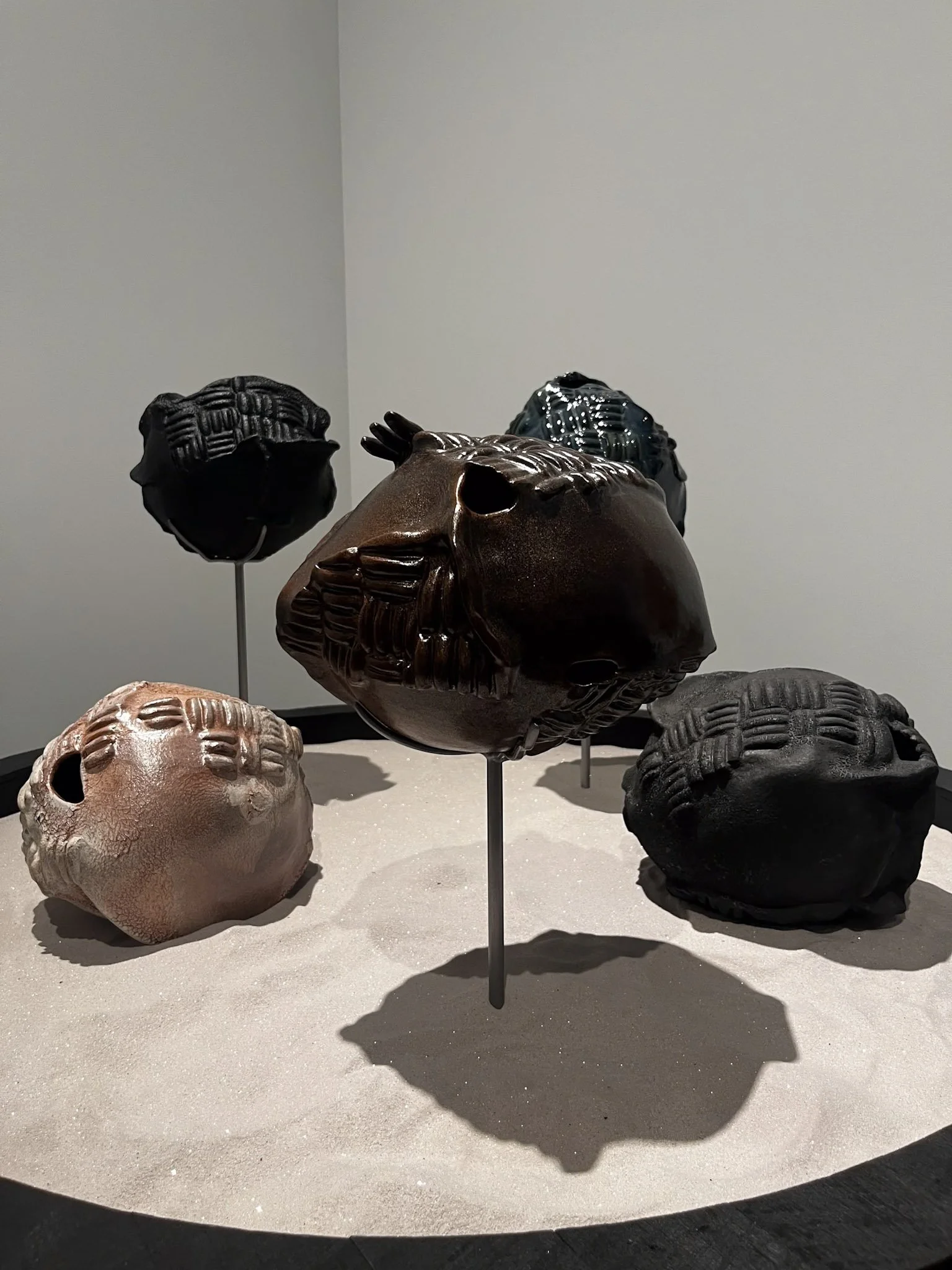
Experience FADE now through September 6th, 2026.