Exhibit Review: Noah Davis at Philadelphia Museum of Art
As artists we are always looking to see what kind of artists we truly are. What kind of legacies we want to leave behind or what is the message behind the artwork that we make. During a press preview of the Noah Davis retrospective exhibition currently on view at the Philadelphia Museum of Art, it seemed throughout his entire career, Noah Davis was looking for the answer to those questions. Constantly searching for how his work will impact not just his career but the legacy he would too soon leave behind.
While at the press preview, curators, Eleanor Nairne and Wells Fray-Smith, made it clear that even though they wanted to provide context to the artwork we would be seeing, they didn’t want to over explain any messaging behind the work to give each individual the space to interpret what they were seeing themselves. Instantly when stepping into the space, it felt familiar as if I was entering the home of a relative viewing each painting like a photo in an album. The paintings told stories we all could relate to even in the dreamlike state they were painted in. Each section of the exhibition was a different viewpoint in how Noah Davis saw himself as an artist and the picture he wanted to create surrounding the image of African Americans in the media. Instantly, you can see that Davis wanted to push back the negative or even salacious representations of Black life, emphasizing interiority, imagination, and normalcy.
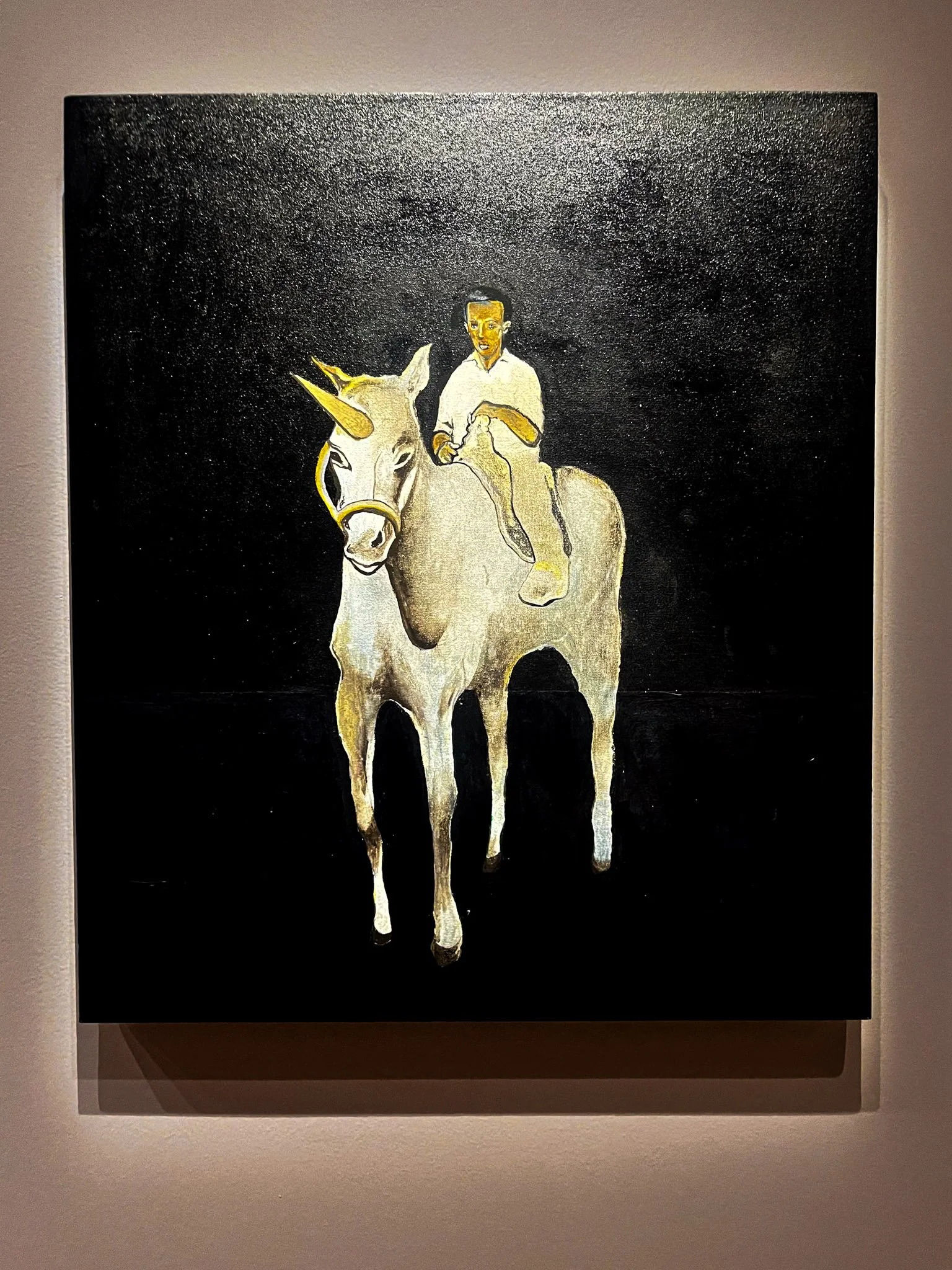
40 Acres and a Unicorn
2007, Acrylic and gouache on canvas
76.2 x 66 cm 30 x 26 inches
The first notable image that caught my attention was 40 Acres in a Unicorn, depicting a young boy riding a white horse. Even though the content of the painting itself is very ordinary, the dreamlike, fantastical imagery makes you feel like this is a magical occurrence you are witnessing. This painting set the tone for Davis’s refusal of realism even when the subjects themselves are everyday people. Another example of this style is Bad Boy for Life (2007), where you can see a mother looking directly at the viewer as the child looks downward waiting to be physically punished. While the child’s body is rendered in shimmering gold, you can see the mother’s mouth is missing – possibly signaling silence, voicelessness or even erasure. The painting gives a strong emotional tension between gaze and gesture.
The overall visual style and language could be described as abstraction meets figuration as most of his paintings were not realistic but not fully abstract. Davis’s work feels dreamlike, whimsical but also very familiar as if he is constantly recalling a memory rather than documenting reality. When viewing his work up close, his paint strokes are loose and imperfect, prioritizing the message over the polish look of the paintings themselves.
Throughout the exhibition, you can see the many influences of Davis’s art practice including his love for ancient Egypt history and art. This is clear in his painting ISIS 2004, which is a portrait of his wife, Karon Davis. The smudged, washed-out surface enhances the dreamlike quality of the painting with the painting having a chalky, oil pastel appearance. In the painting you can also see glitter accents that appear subtly throughout the portrait. Similar to Bad Boy for Life, the subject of the painting is seen in a yellow-ish gold color which could possibly represent divinity or even visibility. What makes this work of art stand out so much is that even though the subject is painted in the likeness of the Egyptian goddess Isis who represents motherhood, fertility, healing, and rebirth, the background of the painting is located in an ordinary background which goes back to his ability to balance fantasy with reality.
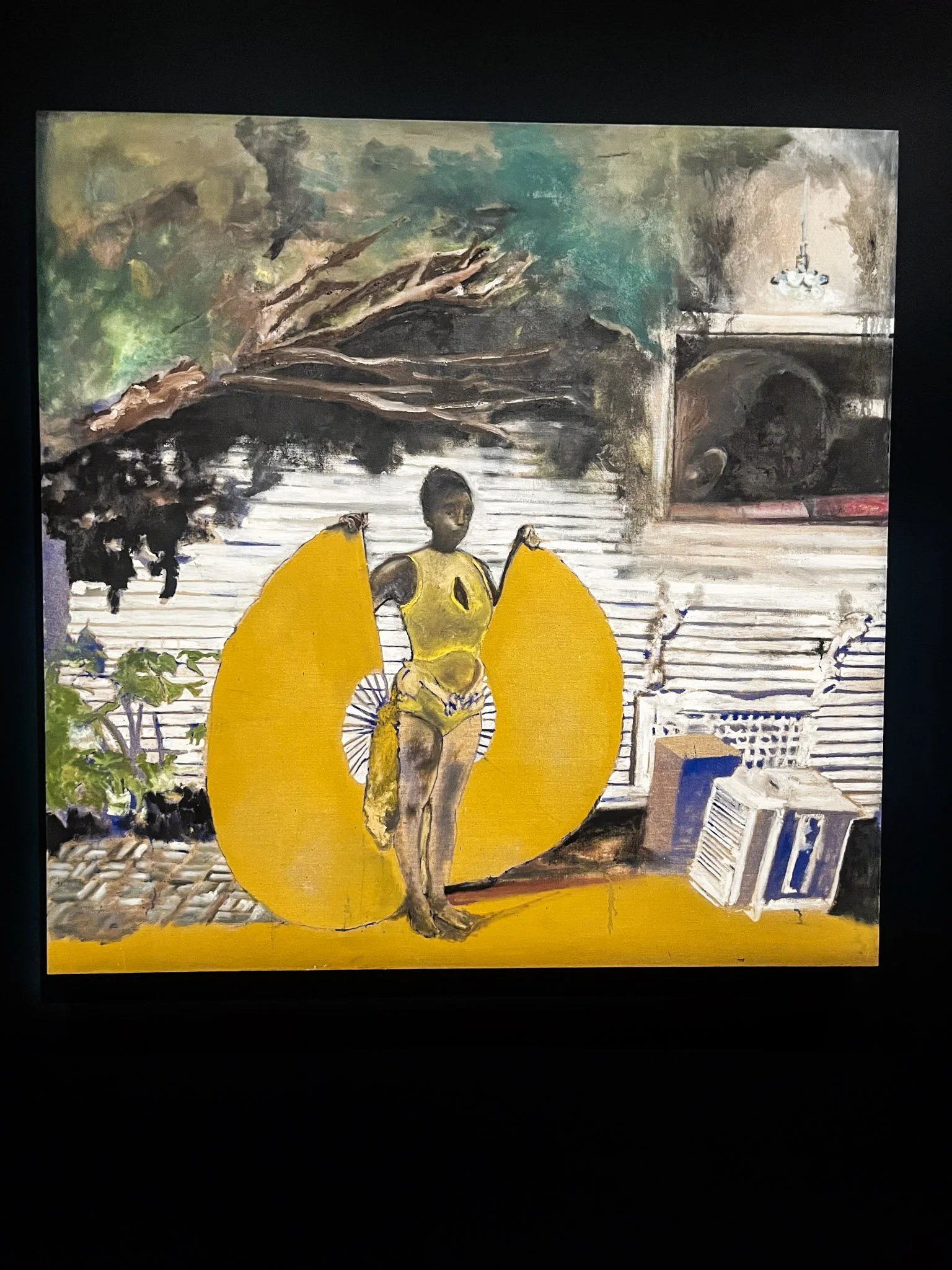
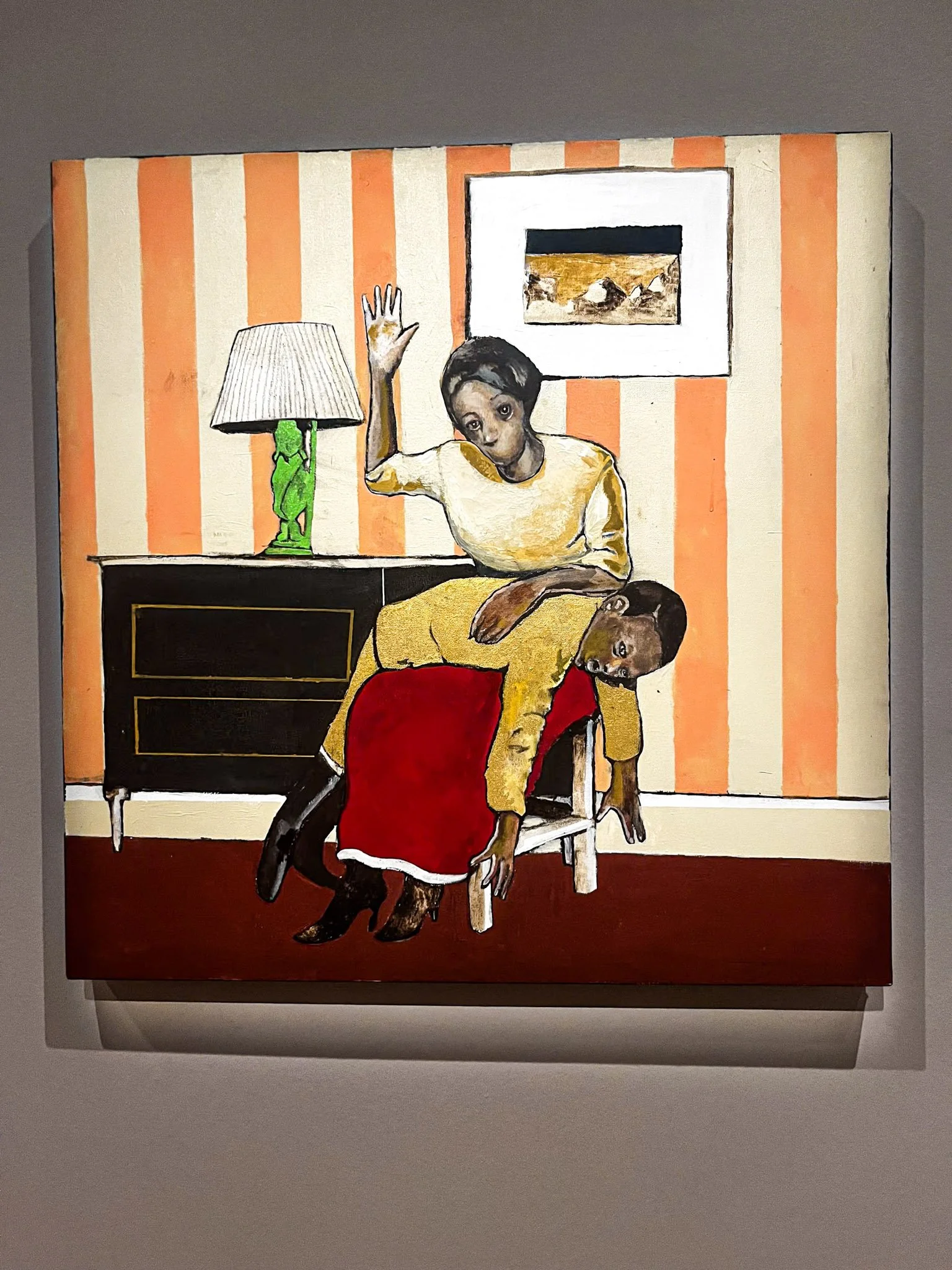
From left to right: ISIS (2004) and Bad Boy for Life (2007)
It is also clear that Noah Davis had a strong knowledge of art history, especially the Impressionist era. Though his work was inspired by real people from his life, he had a great talent to transform them into symbolic figures similar to the artist in the Impressionist movement.
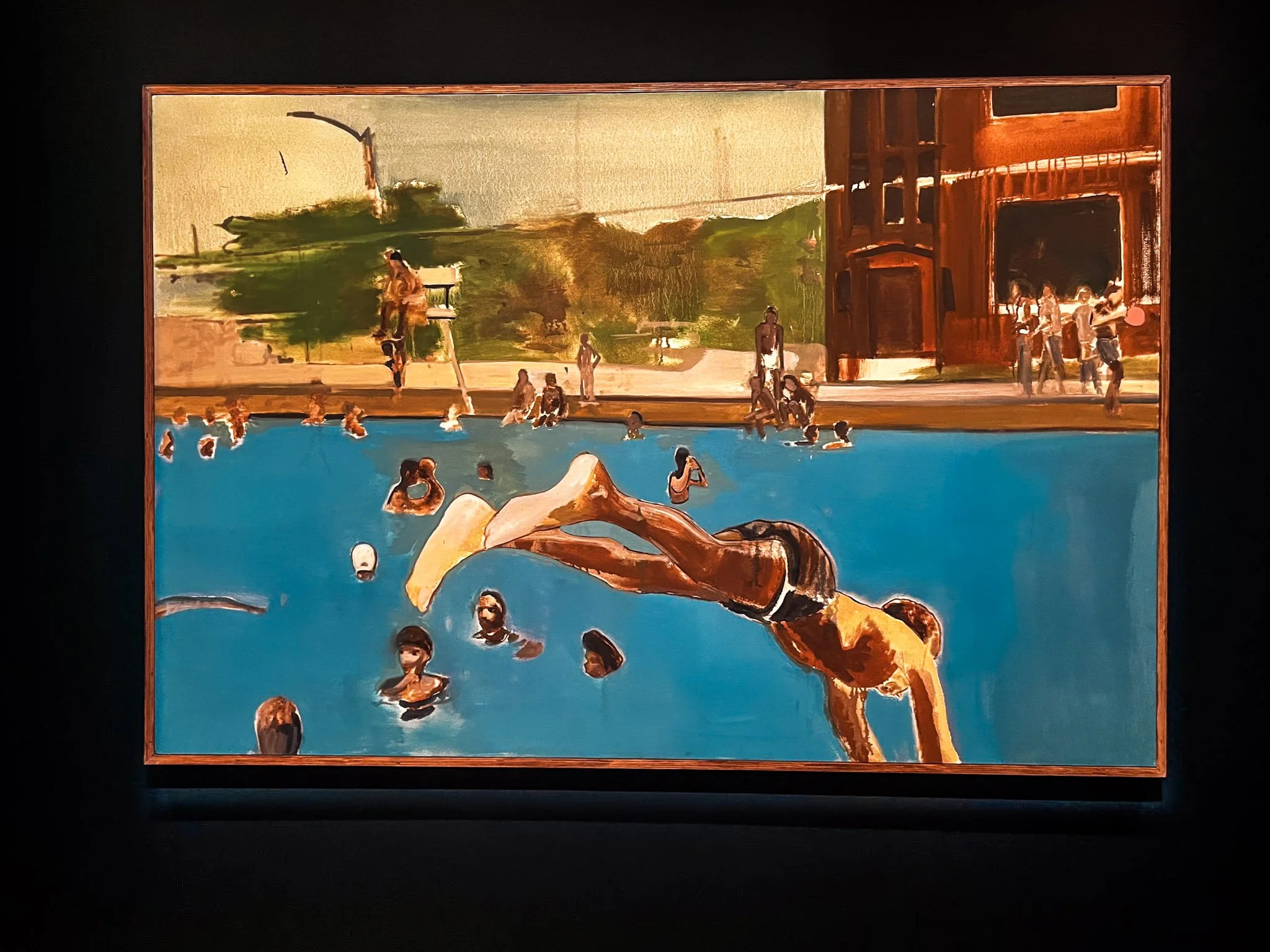
Noah Davis, 1975 (8), 2013
The Noah Davis retrospective exhibition showcases how deeply Davis believed in art being part of life and not separate from it. During his career Noah Davis constantly highlighted Black culture and Black people in a light that was not just magical but also human with his ultimate goal in “making things that are normal – because we are normal”. If anyone would ask the type of artist Noah Davis were, it could be said he was an artist inspired by and for the community. To make art accessible and connected to who we are in everyday life. To have the ability to romance the mundane and make everything magical. Noah Davis' art touches many people's lives giving us all the opportunity to see ourselves in his paintings. His work insists on presence, tenderness and belonging.
The Noah Davis retrospective is now on view at The Philadelphia Museum of Art until April 26th, 2026